
Pawe? Janas is a Poland-based photographer who spends a lot of time in the quiet corners of the natural world. His portfolio is a study in the patience required for high-level wildlife and landscape photography. Whether he is documenting the vast scale of a mountain range or the specific gaze of a predator, Janas prioritizes an authentic and focused perspective on the environment. We spoke with Pawe? about the physical demands of his work, his approach to lighting, and the reality of life behind a long lens.
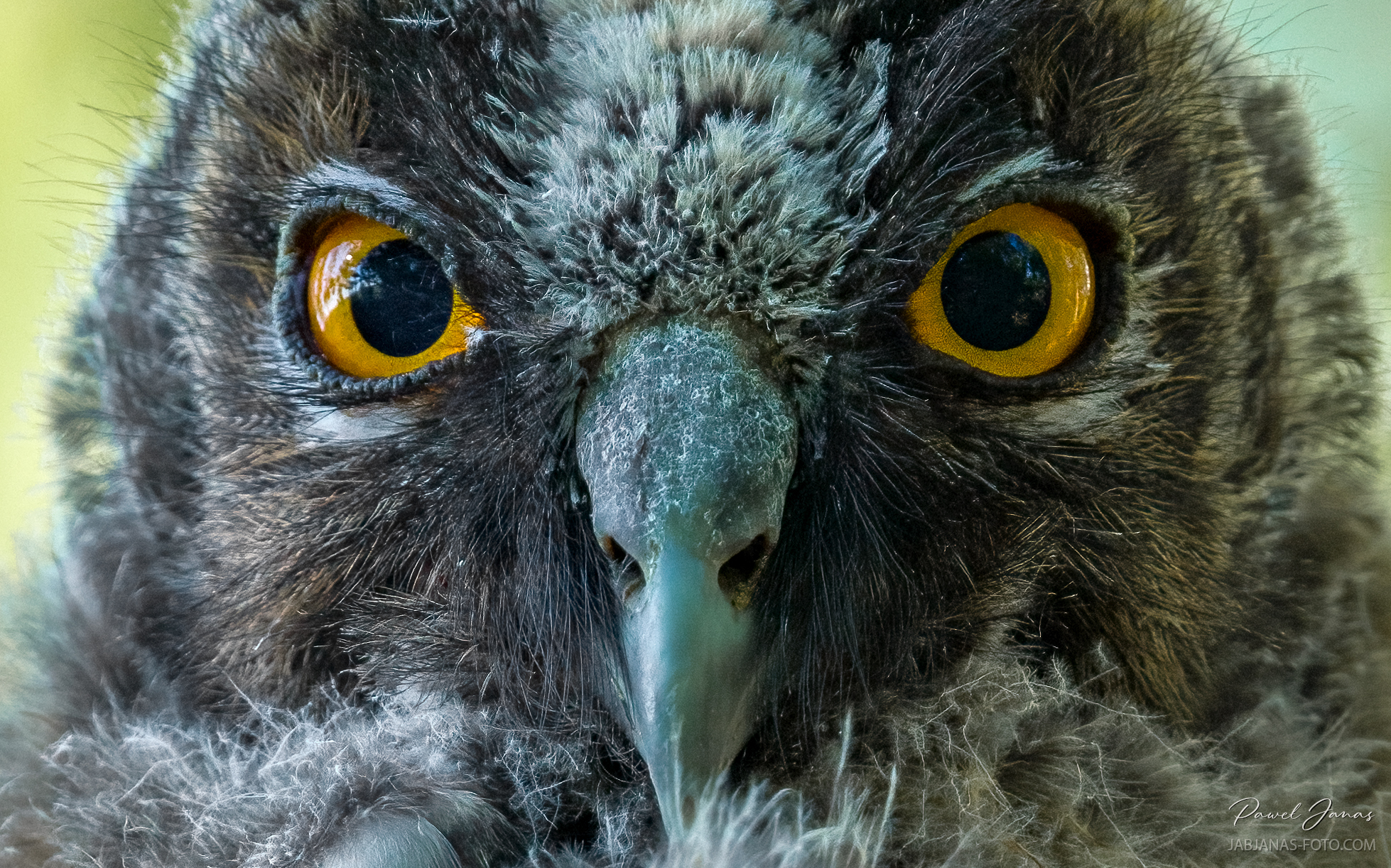
It is all about Nature; it always draws my attention, and I consider it my only mentor. It was relatively recently, in 2019, when I bought my first interchangeable lens camera because I was planning my first visit to Iceland. Unsurprisingly, I came back completely hypnotized, armed with hundreds of photos and the repeating thought, “I want more!”
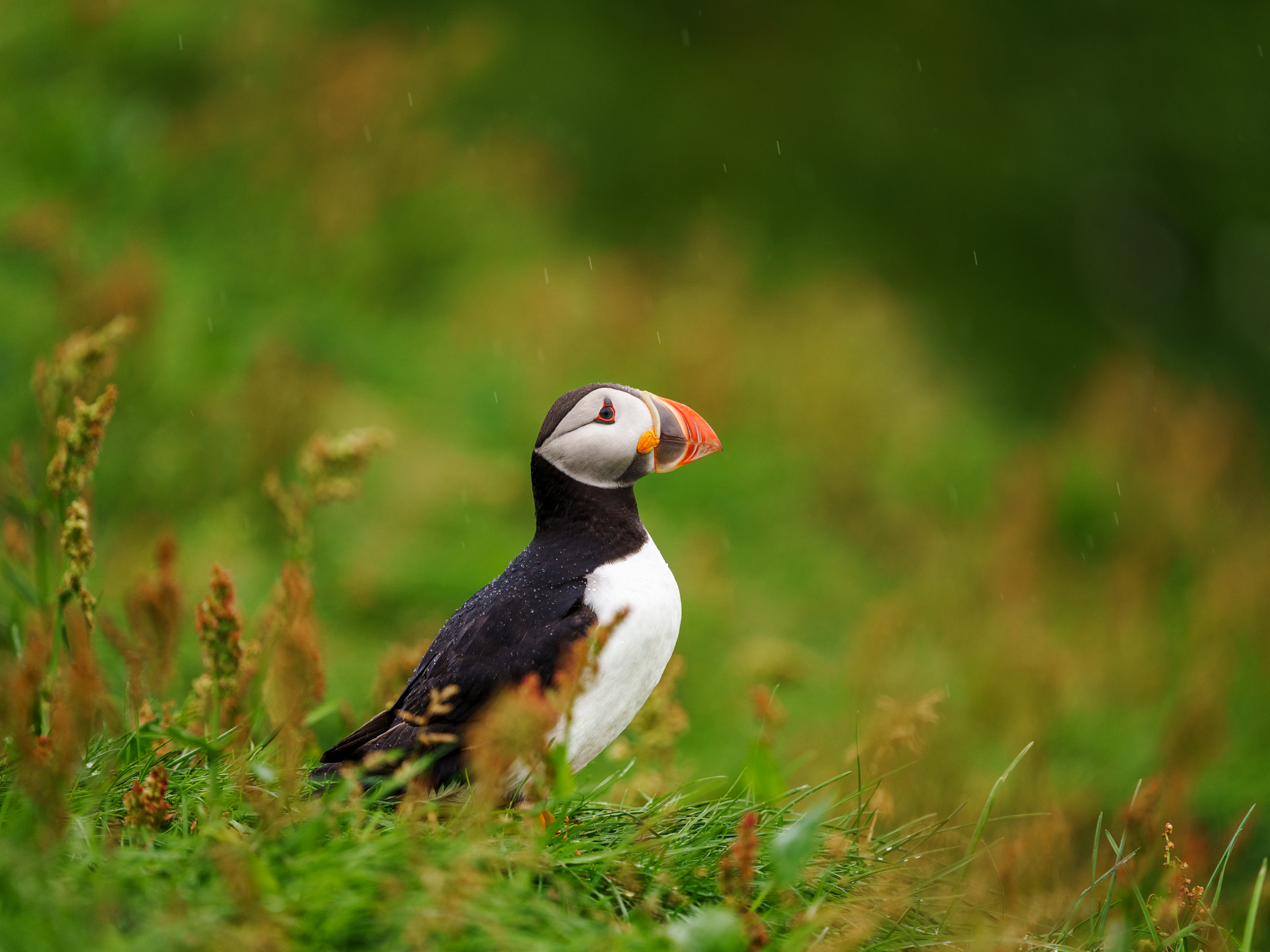
Change is my nature, and routine is my enemy. Sometimes my soul needs to slow down, allowing me to feel the calmness of a rising sun or a shimmering waterfall. Other days, I need the intense emotion related to fast action.
There is no set rule, and I rarely know what my next day’s choice will be.
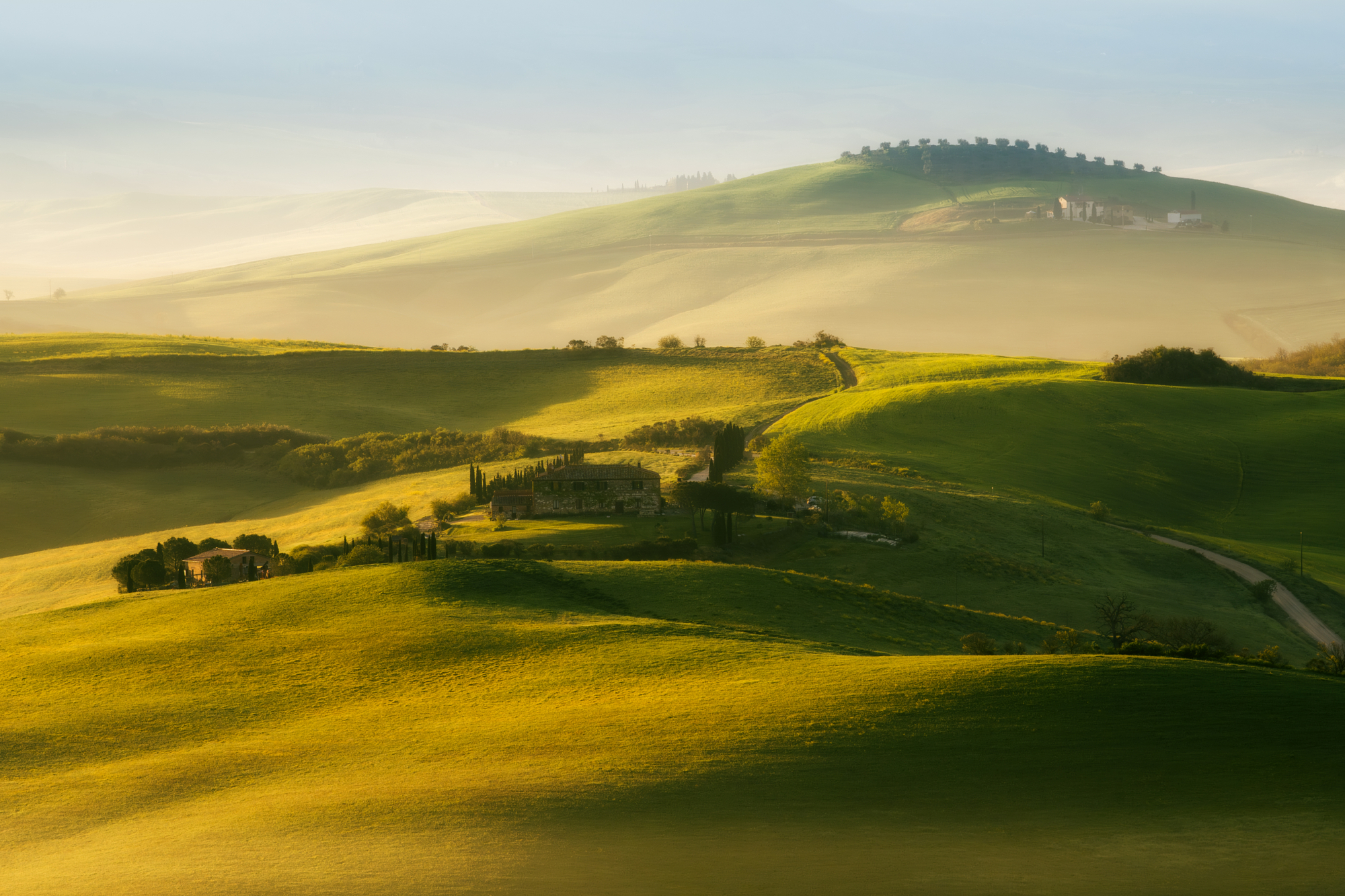
As a beginner, I used to walk around through forests, simply praying any animal would kindly show up. That was my entire strategy. I spent hundreds of hours, and the resulting minimal success was quite obvious, so I realized I had to review what I was doing wrong and change my approach. At present, I prefer to focus on a specific species I want to photograph. I conduct research online and in books, learning where my subject lives, what its habits are, and the best time to encounter it. Next, there is time for scouting, and it usually takes a while to find what I am searching for.
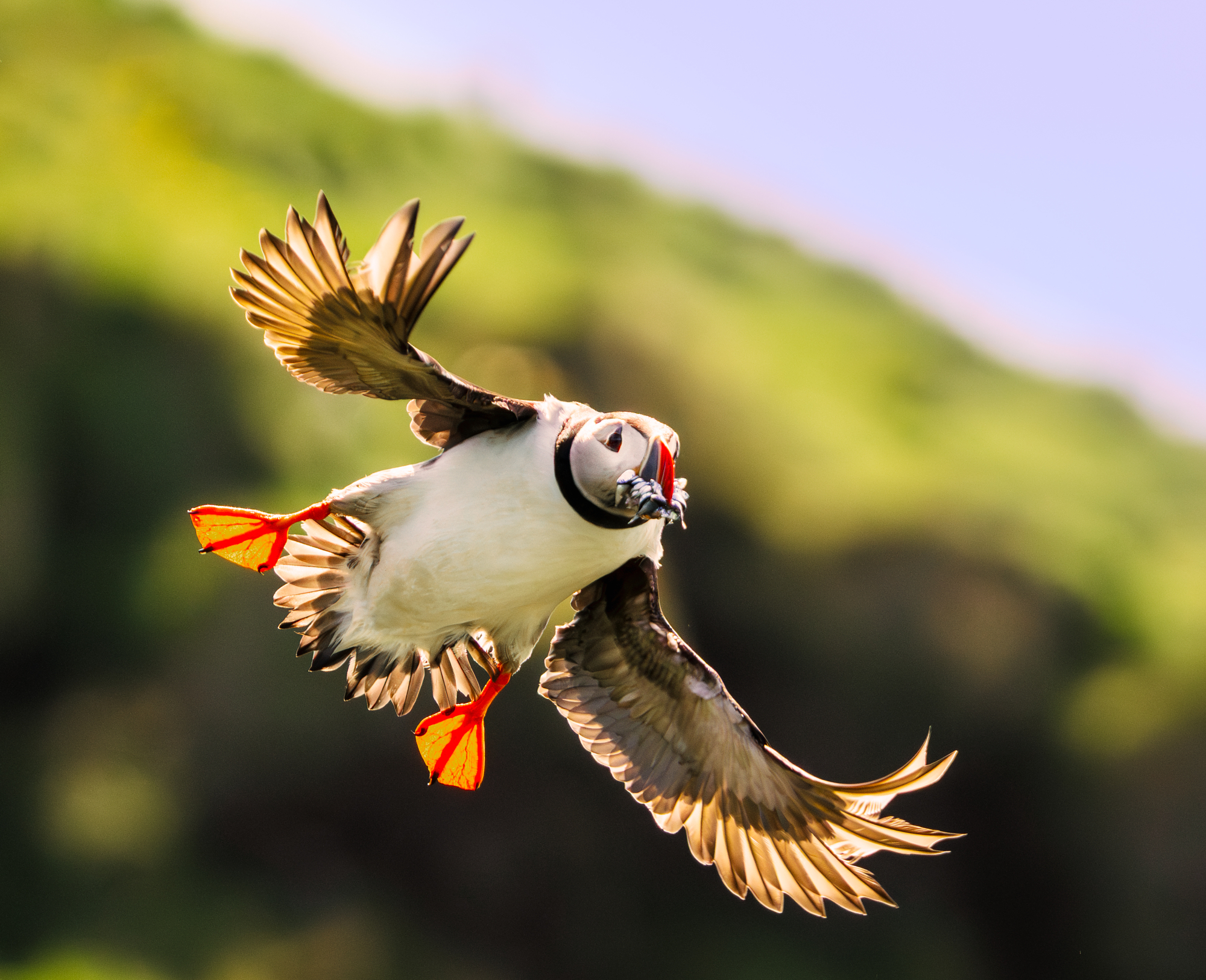
However, lucky moments do happen. For example, my plan was to photograph a bluethroat bird. I did my internet research, found a spot, and drove my car over 200 kilometers. Finally, after reaching the chosen place, I got out of my car and took my coffee. After less than ten minutes, I realized the bluethroat had its breeding place just 50 meters from where I was standing.
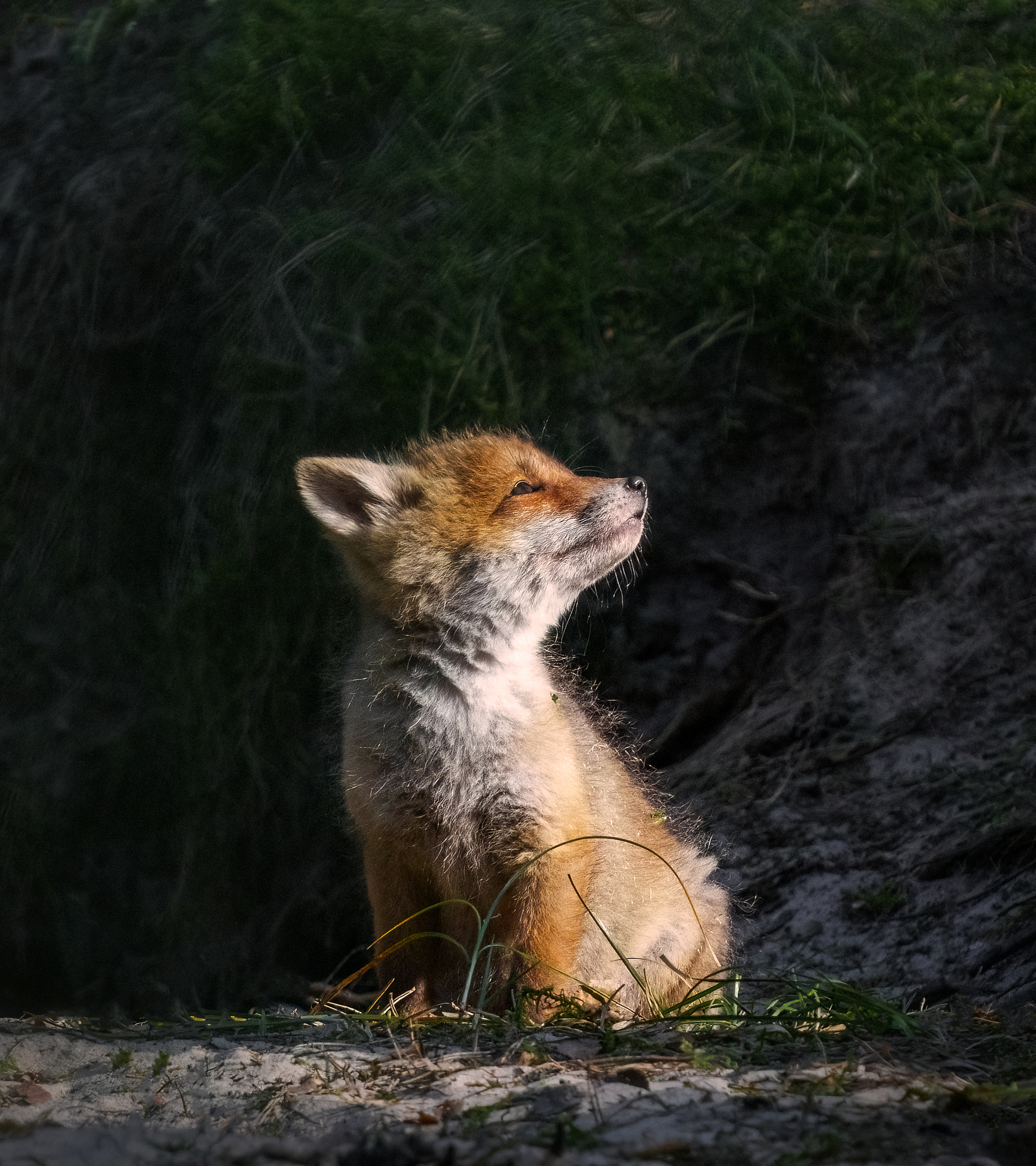
Everyone knows that light is one of the most important factors in photography. Each year, each day, I still learn what truly lies beneath those words. With experience, I have learned that it is crucial to choose my position before I start photographing. Depending on what I want to achieve or my mood, I try different approaches.
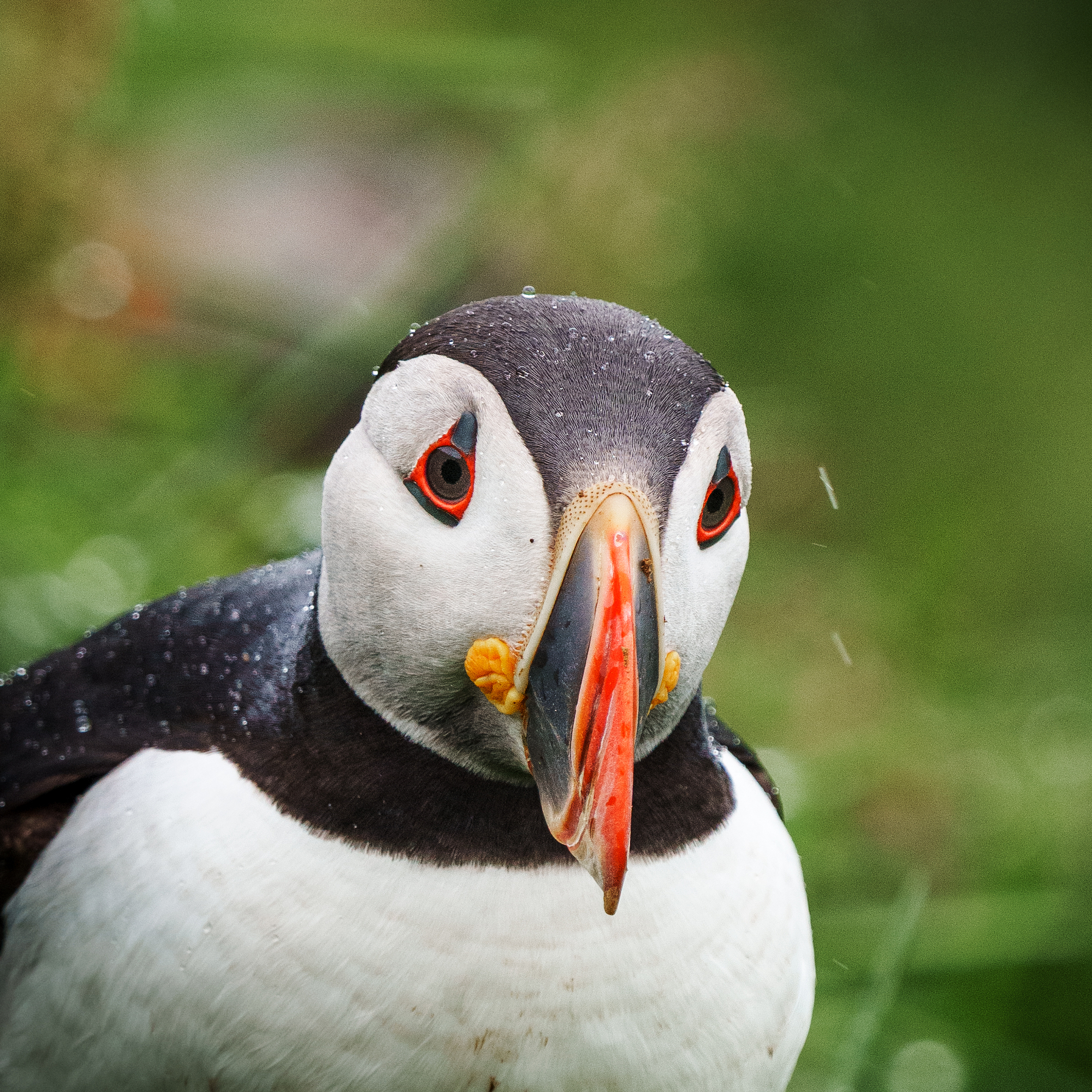
For example, when a bird’s details are important, I need light from behind me. If the mood in the photograph is more important, backlighting is preferred. However, we are talking about wildlife, which will rarely act as you wish. If there is a poor chance your subject will pose where you want it, you have two options: be patient and wait, or improvise, experiment with position, and compromise.
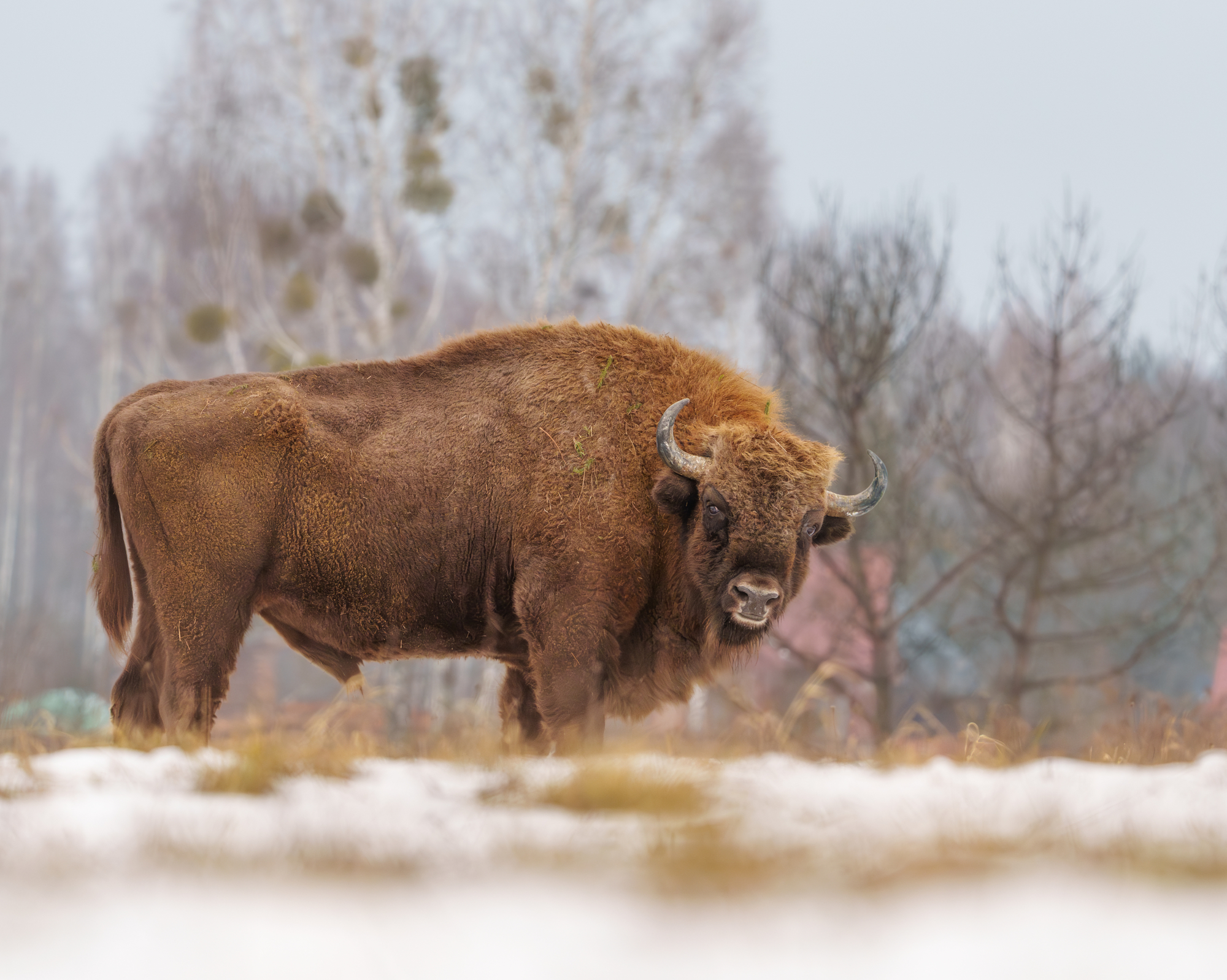
We, as people, appropriate lands belonging to animals, taking their homes and blocking their trails with highways, fences, and so on. The living area of animals is drastically shrinking. We litter the earth everywhere, cutting down trees and poisoning waters.
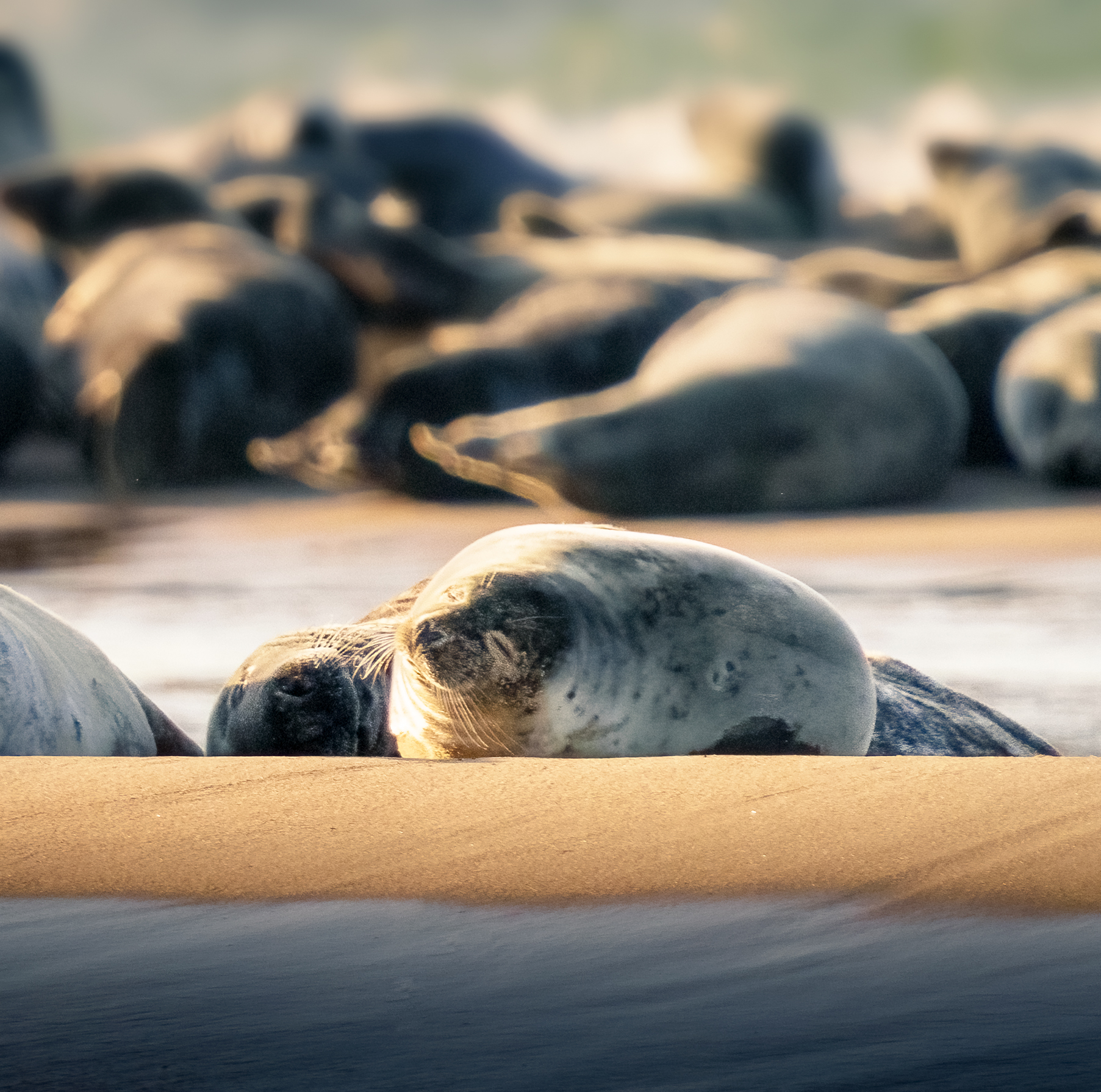
We owe animals care, and we owe the Earth care. This needs to happen without the noise related to marketing, and not for fame. In my opinion, every single person should understand that nature is our common treasure. Each person could take care of nature at a personal level. For example, whatever you take into nature, bring it back out with you. These are just small things, but there are billions of us on Earth, so it could truly work.
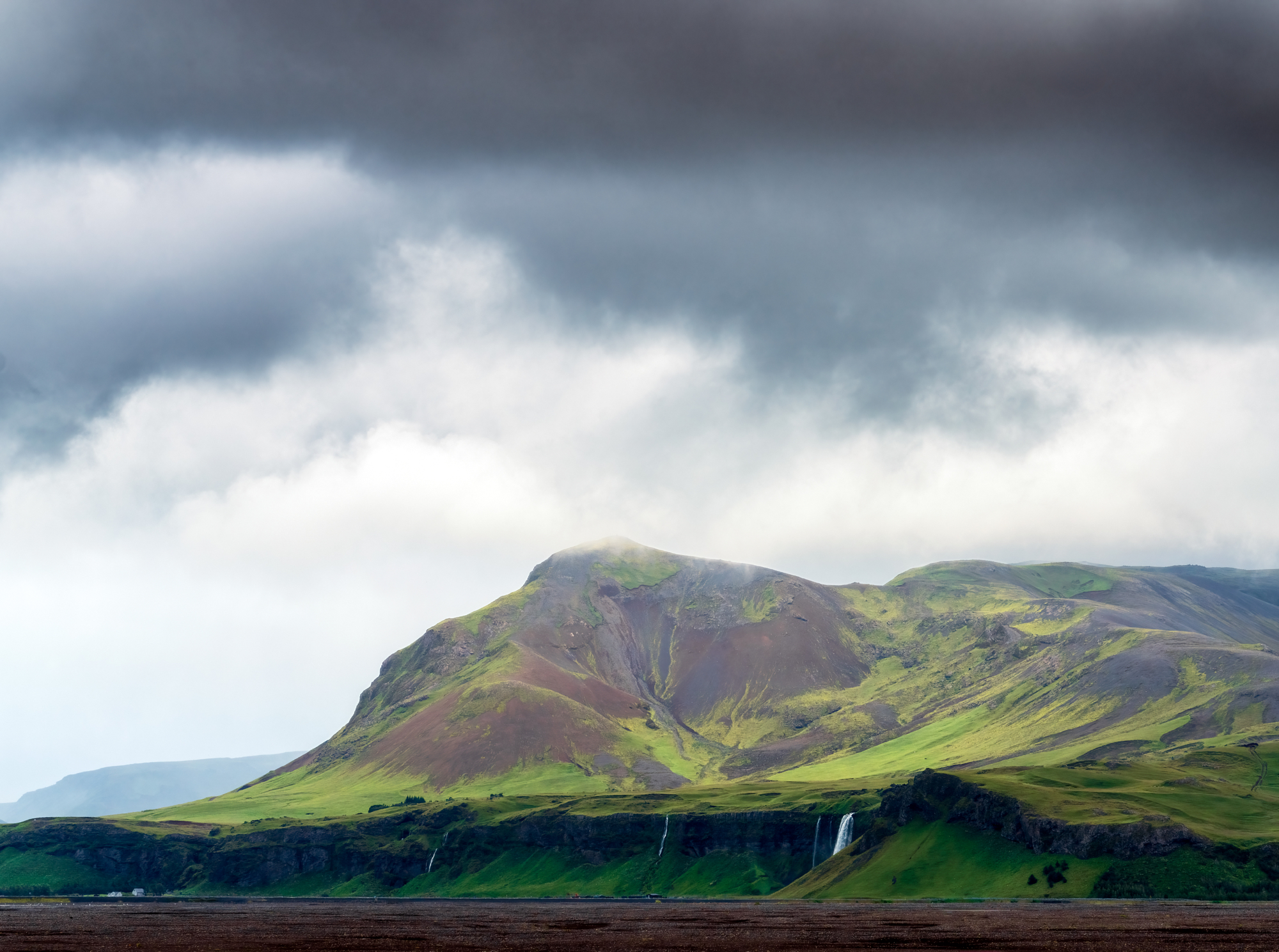
I actually always feel I need to learn much more to get better results. My aim is to show natural colors, contrast, and light, and I try to avoid ‘overcooking’ my work. You can tell me if my work meets those requirements. I would say not always, though!
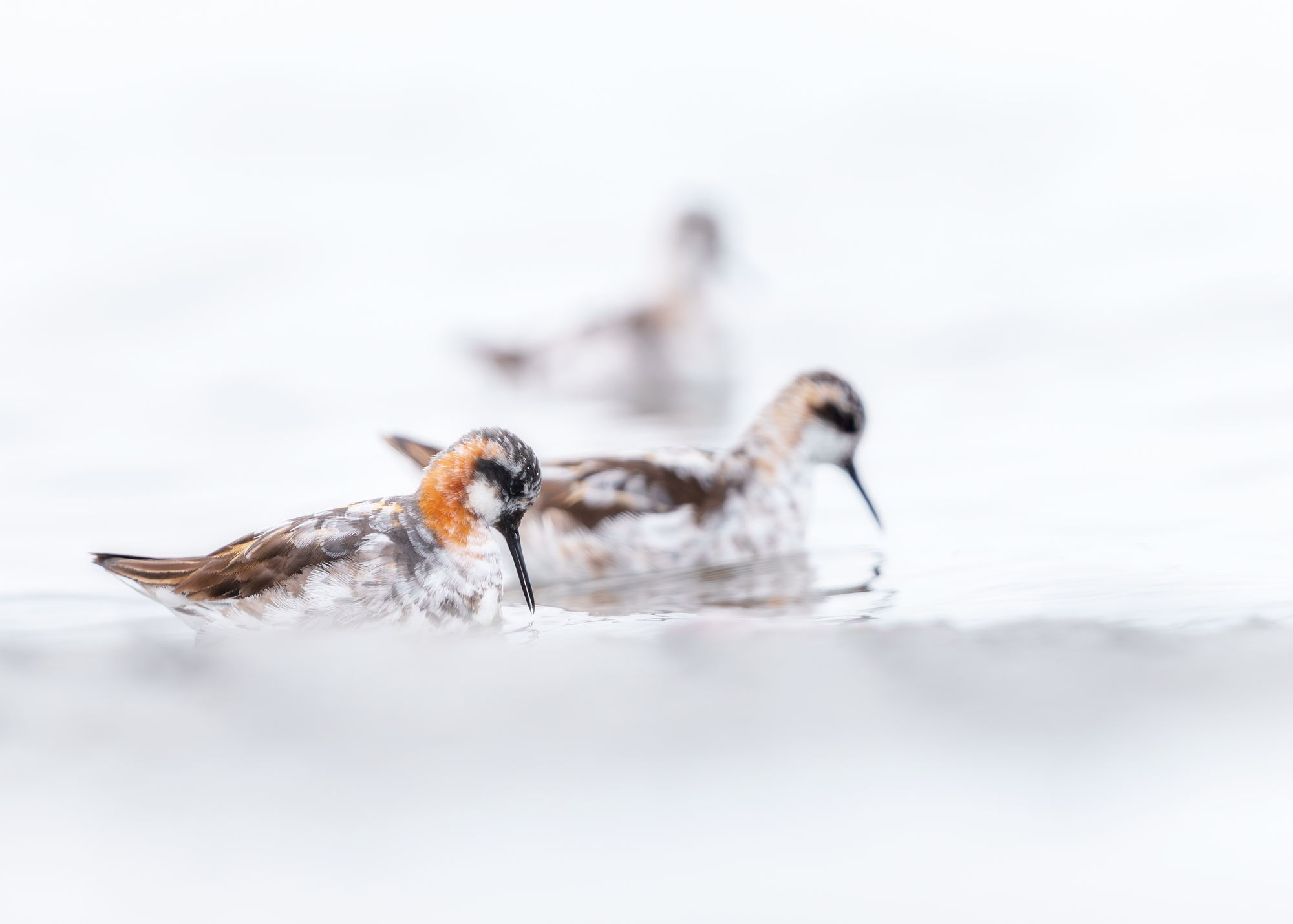
My recipe is to approach post-processing in steps. I start with initial edits, then leave my work for a day or two. I take a fresh look at what I have done, add what is needed, and then step away again. Sometimes the process takes two or three days, and sometimes it takes weeks from start to finish. Fortunately, 500px gathers so many wonderful photographers. I have plenty of opportunities to analyze perfect photos, and I am happy to find so much inspiration here.
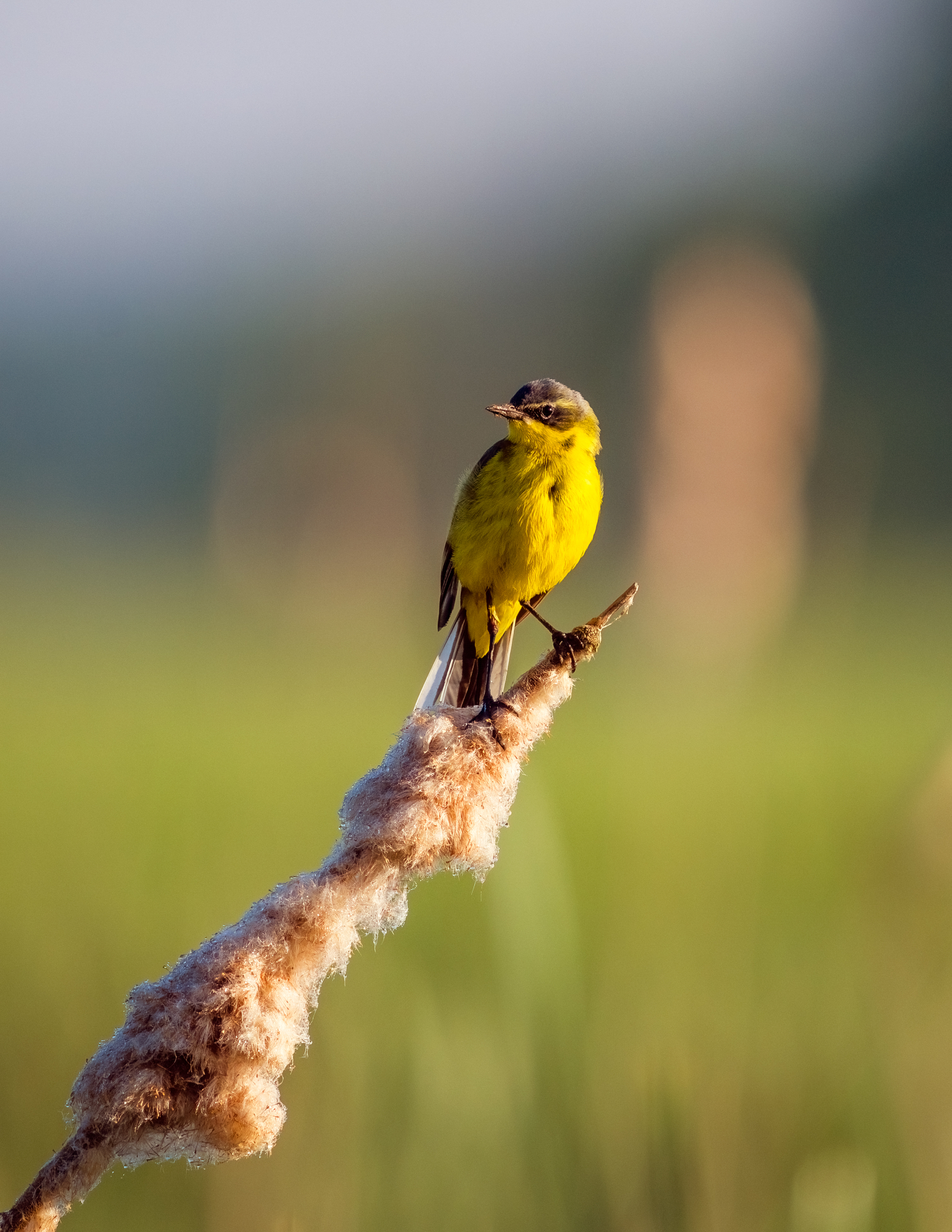
It is more of a personal habit. If I plan to spend hours waiting for wild animals, the most important step is to prepare a comfortable position, one that allows for minimal movement. I arrange my position in such a manner that I can reach essential equipment like a spare battery or a bottle of water without making excessive noise.
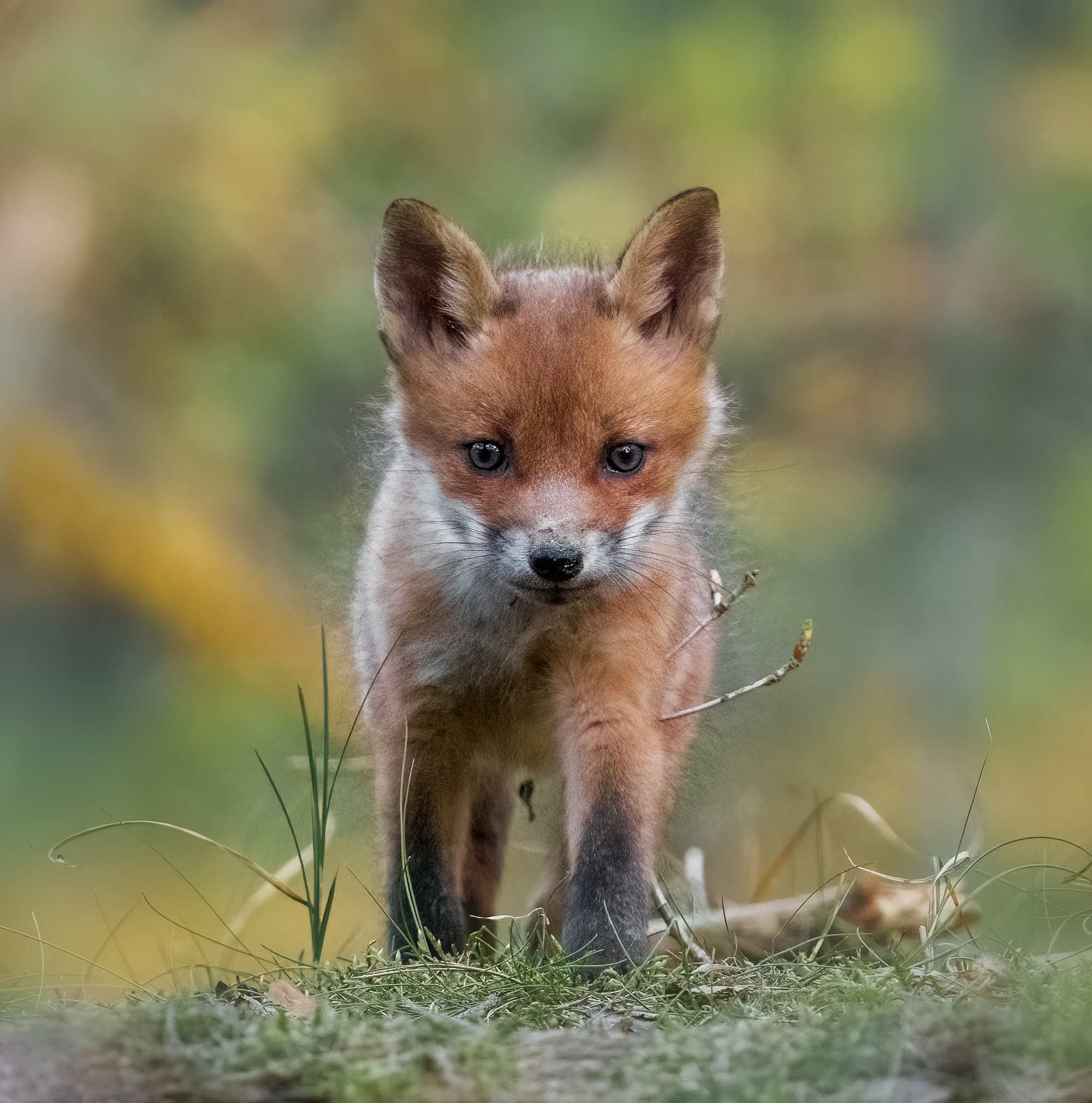
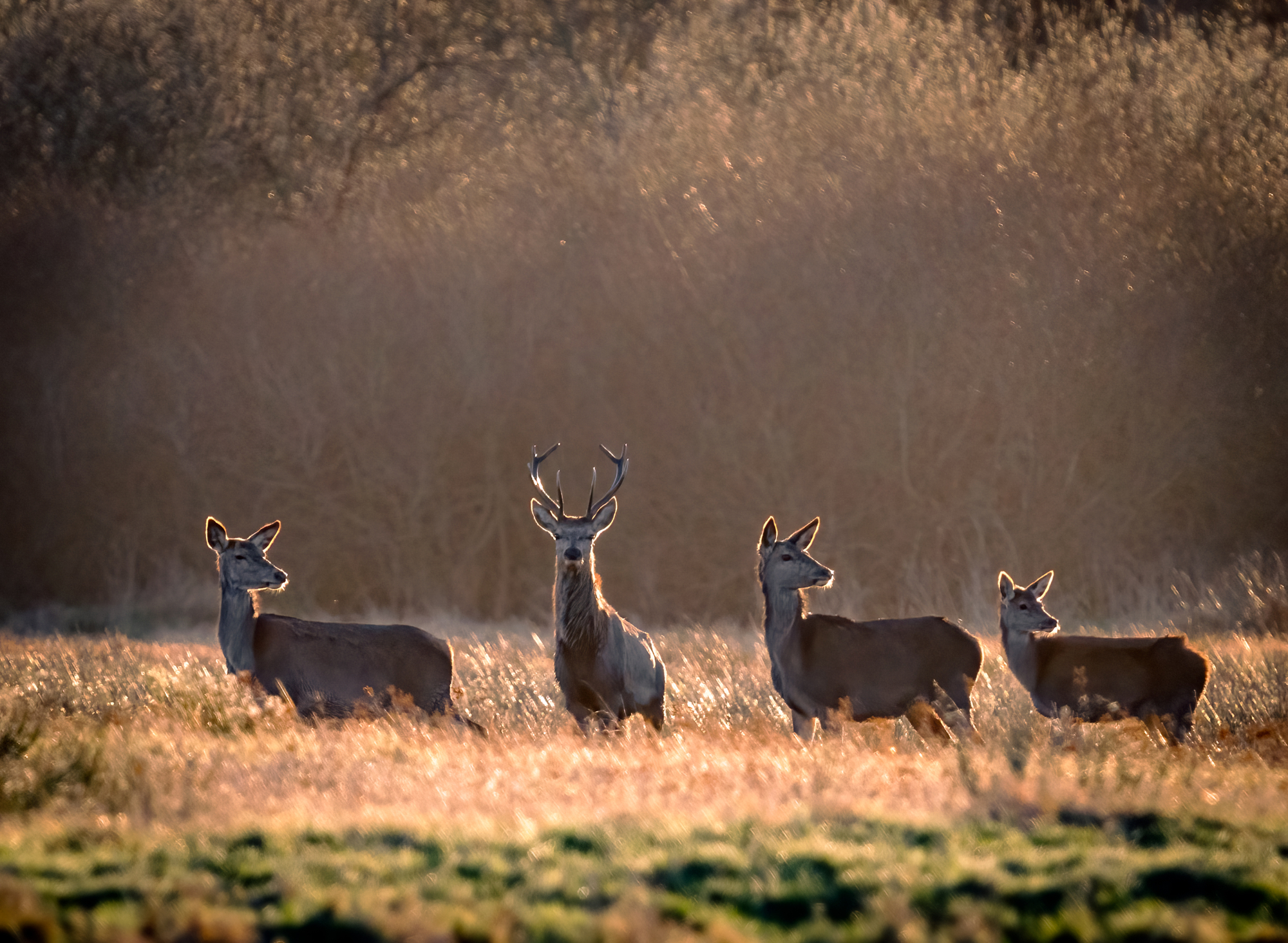
I’ve been dreaming of photographing a deer fight during the rut. In my country, in the area where I live, the deer are extremely watchful. I have tried many times so far without success, but I will never give up.
Well, it is a story about preparing for a photo trip. I had driven my car for half a day to reach a specific photo spot. Just as I arrived at the desired location, I realized that all my batteries were still charging at home. Since then, I always make sure to use my “what to take” list.
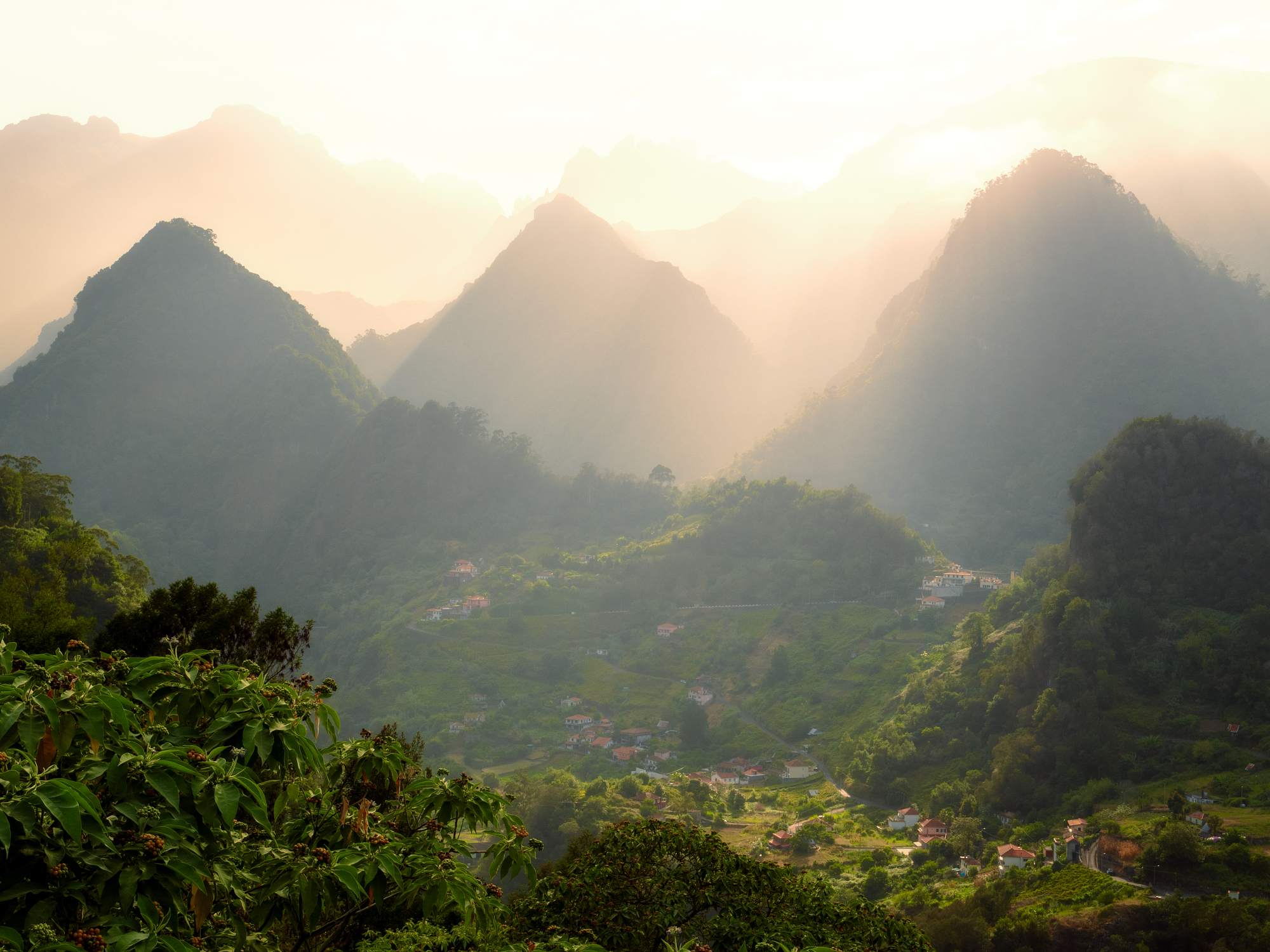
Through his work, Pawe? Janas shows that great photography is built on patience, intention, and respect for the natural world.
The post Pawe? Janas: 500px Photographer Spotlight appeared first on 500px.