
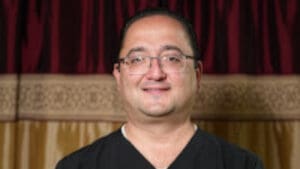
Born in Tehran, Iran, Dr Tabaroki moved to New York at the age of 12. That early transition shaped his work ethic and outlook. He went on to attend Yeshiva University on a full scholarship, then NYU, where he also received a full scholarship. He graduated in the top five per cent of his class, receiving honours and placement on the Dean’s List.
He completed four years of surgical training at Montefiore University Hospital, one of the most respected oral and maxillofacial programmes in the United States. The experience reinforced a mindset built on precision, accountability, and consistency.
More than 20 years ago, Dr Tabaroki founded Queens Blvd Oral Surgery. Rather than expanding quickly, he focused on building strong systems and reliable patient care. That approach led to the growth of two additional practices: Jamaica Estates Oral Surgery and Gramercy Dental Group.
Today, he is recognised as a leader in his field, known for combining clinical expertise with operational discipline. His work reflects a belief in long-term thinking over short-term gains and in building practices structured to last.
I was born in Tehran, Iran, and moved to New York when I was 12. That kind of transition changes how you see things. You realise early that you have to adapt quickly. Nothing is handed to you. I focused on school because it was something I could control. That mindset stayed with me throughout my career.
I treated education like a responsibility, not an option. At NYU, I graduated in the top five per cent of my class and made the Dean’s List. It wasn’t about being the smartest person in the room. It was about consistency. I showed up every day and did the work, even when it was repetitive or difficult.
Montefiore was intense. It’s a four-year oral and maxillofacial surgery programme, and it pushes you in every way. Long hours, high expectations, constant pressure. But that’s where I learned how to make decisions under stress. You don’t have the luxury of hesitation in that environment. It builds a certain level of discipline that carries into everything else.
After training, I didn’t wait for the perfect setup. I opened Queens Blvd Oral Surgery over 20 years ago. At the time, I didn’t have everything figured out, but I understood the basics—take care of patients, build trust, and stay consistent. That was enough to get started.
It wasn’t a quick expansion. The first practice had to work properly before anything else. Over time, I started to notice patterns—what patients needed, where systems broke down, how staff functioned under pressure. That’s what led to opening Jamaica Estates Oral Surgery and later Gramercy Dental Group. Each new location came from solving a real problem, not just chasing growth.
Many people think it’s just about clinical skill. That’s only part of it. The bigger challenge is operations—scheduling, staffing, communication, follow-up. If those systems don’t work, it doesn’t matter how skilled you are. The practice becomes reactive instead of structured.
Because they reduce uncertainty. Early in my career, I made the mistake of hiring too quickly. I focused on technical ability and ignored how people fit into the team. It created tension and inefficiency. After that, I paid more attention to how systems and people worked together. Strong systems make everything more predictable.
I think in decades, not quarters. That changes your decisions. You’re not looking for quick wins. You’re building something that lasts. Growth comes from doing the same things well over a long period of time.
Technology is useful, especially for patient education. Tools like imaging and simulations help patients understand what’s happening. But technology should support your process, not replace it. The fundamentals don’t change.
I start early. I review my schedule and any operational issues before the day begins. Once I’m in the office, it’s a mix of patient care and overseeing the practices. I still stay involved in the details. That helps me understand what’s actually happening, not just what’s reported.
It’s balance and stability. I live in Long Island with my wife and five children, so family is a big part of it. Professionally, success means the practices run well without constant intervention. Personally, it means being present outside of work.
I follow sports—Giants, Knicks, Yankees. There’s something about watching teams prepare and perform that resonates. You see how consistency and teamwork play out over time. It’s similar to business in many ways.
Consistency. Not doing something extraordinary once, but doing the basics well every day. That’s what builds a career.
Read more:
Dr David Tabaroki: The Value of Long-Term Thinking in Dentistry