
Spain is one country with many stories. It is a place where Roman ruins rise beside Gothic cathedrals, where Moorish palaces glow at sunset, where avant-garde architecture meets medieval alleyways. It is flamenco and silence, pilgrimage and celebration, mountain air and Mediterranean waves.
Most travelers begin with Madrid or Barcelona, and both reward the attention. But beyond these two capitals lies a Spain of landscapes, regions, and traditions that feel entirely their own. From ancient pilgrimage routes to whitewashed villages perched above the sea, the hidden gems in Spain offer more than just its most iconic sights.
The Camino de Santiago is not a single place but a network of ancient pilgrimage routes that stretch across Spain and beyond, culminating in the cathedral of Santiago de Compostela in Galicia (northwest Spain). For over a thousand years, pilgrims have walked these paths seeking faith, clarity, or simply the joy of the road.
Today, you do not need to be religious to feel its power. Walking even a portion of the Camino connects you to rolling vineyards, medieval towns, and quiet rural Spain. You move slowly. You notice details. You share stories with strangers who soon become companions.
The cultural significance is immense, but so is the personal transformation many travelers describe. Spain reveals itself differently on foot and the Camino is one of the best — and most legendary — ways to experience it.

If you want to understand Spain’s layered history, Andalusia (the southernmost region) is essential. Seville, its radiant capital, embodies centuries of Roman, Islamic, and Christian influence. The intricate tiles and carved arches of the Alcázar palace speak to its Moorish past, while the soaring cathedral, one of the largest in the world, dominates the skyline.
But Seville is also more than architecture. It is flamenco echoing through intimate tablaos. It is orange blossoms scenting narrow lanes. It is late evenings in tiled plazas where conversation lingers long after dinner.
This is a city that feels deeply Spanish, yet distinctly its own with culture that is bold, expressive, and rooted in tradition.
In Spain’s north, the Basque Country feels like a different world. The language is distinct. The culture is fiercely proud. The coastline is a dazzling green.
San Sebastián blends Belle Époque elegance with a laid-back surf culture. Its crescent-shaped La Concha beach is among the most beautiful urban beaches in Europe. Yet what truly sets it apart is food.
Here, culinary artistry reaches extraordinary heights. Pintxos bars line the old town, each offering small, intricate bites that turn an evening into a moving feast. The region also boasts one of the highest concentrations of Michelin-starred restaurants in the world!
For travelers who explore through taste, San Sebastián alone is reason to visit Spain.
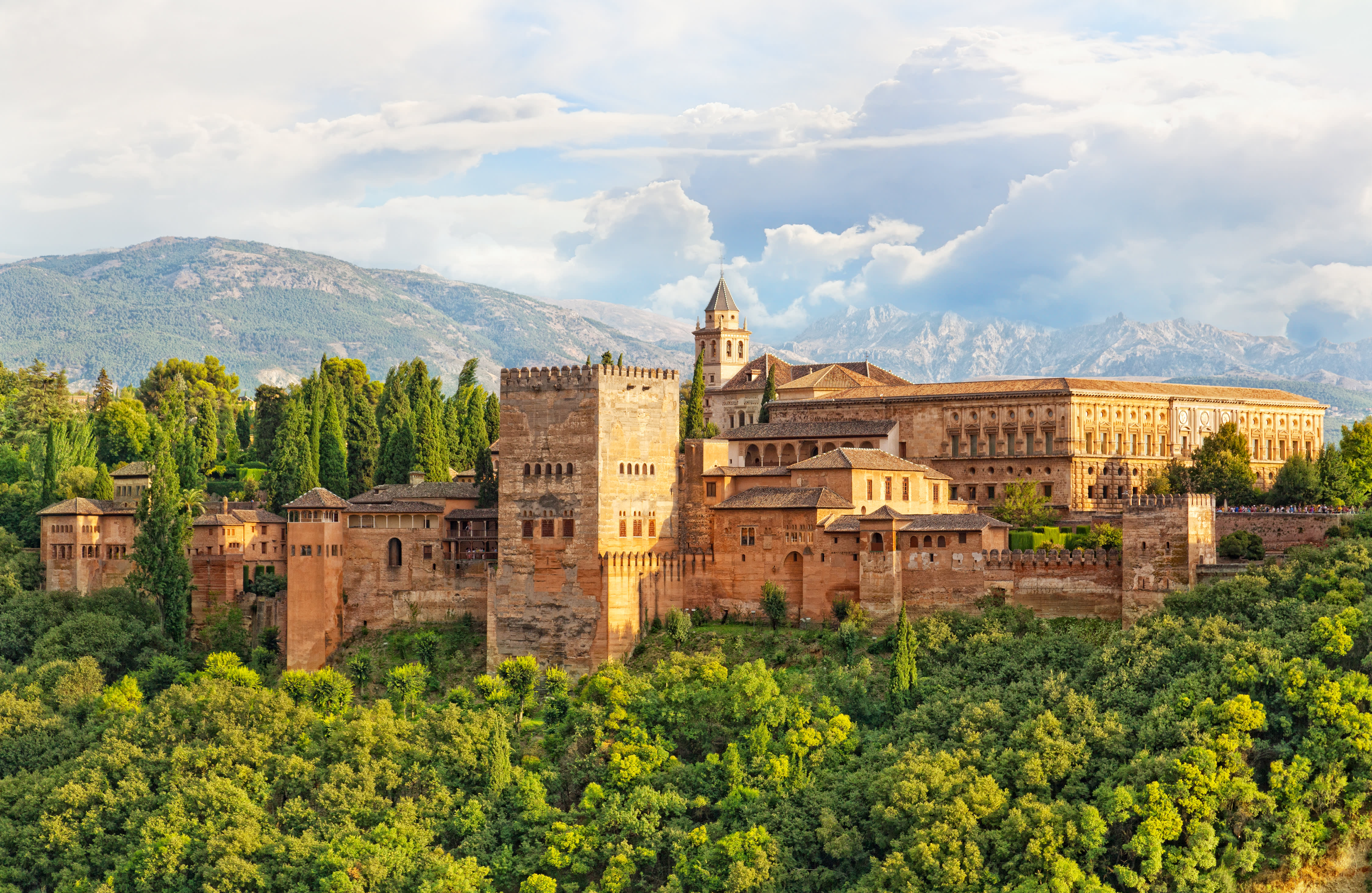
Granada sits at the foot of the Sierra Nevada mountains (not to be confused with those in California!), crowned by the Alhambra. This palace and fortress complex is one of Europe’s most extraordinary monuments, a masterpiece of Islamic art and architecture.
Wander the Albaicín district and you feel suspended in time, with whitewashed houses and views back toward the Alhambra glowing against the hills. In a single day, you can explore medieval streets and then retreat to alpine landscapes just outside the city.
Granada captures Spain’s complexity. It tells the story of coexistence and conquest, artistry and ambition. Few places illustrate the country’s complexity and soul so vividly.
Often overlooked in favor of its larger neighbors, Valencia offers a compelling blend of old and new. The futuristic curves of the City of Arts and Sciences (a cultural complex) contrast sharply with the Gothic cathedral and winding streets of the historic center.
This is the birthplace of paella, and the rice fields surrounding the city supply its most iconic dish. Beyond the table, Valencia’s Turia Gardens, created from a diverted riverbed, form a green artery through the city.
Valencia feels innovative yet grounded in tradition, a living snapshot of Spain’s evolution.
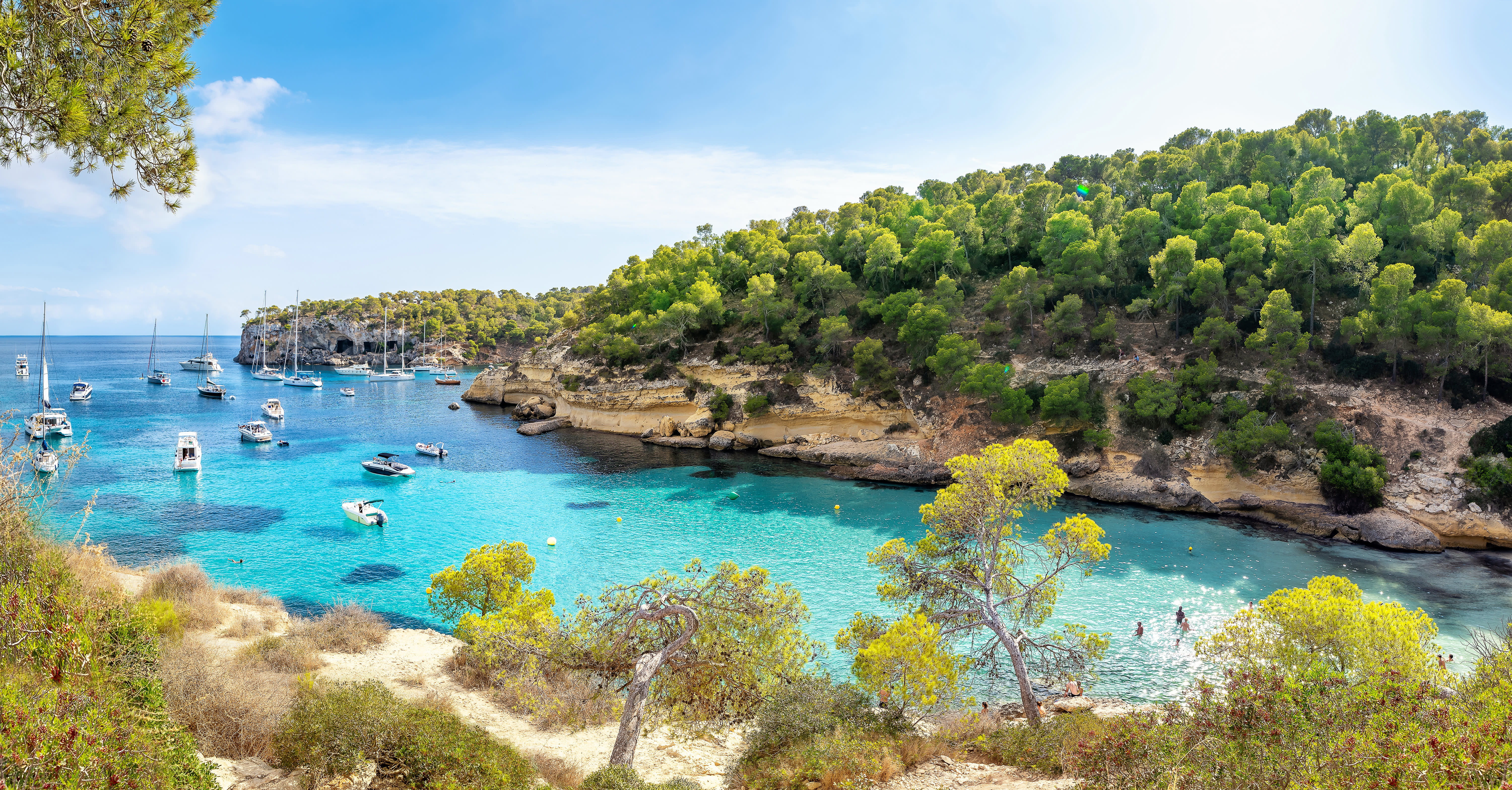
Spain’s islands deserve more than a passing glance. Mallorca, the largest of the Balearics, offers far more than sun loungers and nightlife.
The Serra de Tramuntana mountains rise along the northwest coast, dotted with stone villages like Valldemossa. Hidden coves with turquoise water invite quiet afternoons, while coastal drives reveal sweeping Mediterranean views.
Mallorca shows how diverse Spain’s landscapes can be. In a single day, you can hike mountain trails and swim in crystalline seas.
Spain’s true appeal lies in its beautiful diversity. Distinct regional identities shape language, cuisine, and architecture. The Basque Country feels nothing like Andalusia. Valencia differs from Galicia. Beyond Madrid and Barcelona, you’ll find pilgrimage paths and Moorish palaces, mountain villages and Mediterranean islands, culinary capitals and quiet whitewashed towns. Spain rewards curiosity. The more you explore, the more it reveals.
At Enchanting Travels, we design journeys that move beyond the expected and into the heart of a destination. Whether you’re walking a stretch of the Camino, savoring pintxos in San Sebastián, or watching the light fade over the Alhambra, every experience is thoughtfully designed around you. With seamless planning and dedicated support throughout your travels, all you need to do is arrive and immerse yourself. Start planning your custom journey to Spain today and discover the many worlds waiting within one remarkable country.
The post Spain: Everything You Must See appeared first on Enchanting Travels.