
Through his work, he’s helped many people find meaning in their struggles and taught them how to build lives of purpose and peace. Courson’s exploration of veganism isn’t just about food. It’s about healing, integrity, and creating space for compassion—in the mind, body, and soul.
He once shared, “I didn’t become vegan overnight. It started with asking one honest question: ‘What’s the most loving choice I can make, every day, for others and for myself?’” That question led him down a path toward a lifestyle grounded in empathy and mental clarity.
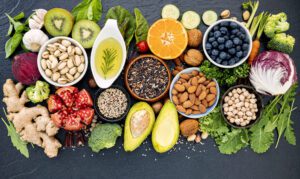
What we eat affects how we think and feel. Studies have shown that plant-based diets are linked to lower rates of anxiety and depression. One study in Nutrients found that vegans often report better moods and more energy than non-vegans. This may be because fruits, vegetables, whole grains, and legumes are high in fibre, antioxidants, and nutrients that support brain health.
Ben Courson has said “I made the choice of being vegan for the animals,” he said, “but the side effects of going vegan has also greatly benefited me physically as well. I feel far less sluggish and more focused and healthy.”
He’s not alone. Many people report better focus, calmer moods, and higher energy when they cut animal products. Plant-based meals often leave people feeling lighter, both physically and emotionally.
For Courson, the choice to go vegan is also spiritual. “If I’m talking about love, but my plate is full of suffering, something doesn’t add up,” he explained. He believes compassion should extend to all living beings—not just people.
Many spiritual traditions support this idea. Buddhism, Jainism, certain branches of Christianity, and even some Indigenous teachings all encourage a non-harming lifestyle. Veganism aligns with these teachings, removing violence from something as daily as dinner.
It’s not about guilt—it’s about alignment. Eating in a way that reflects your values creates inner peace. When your actions match your beliefs, there’s less mental friction. That sense of integrity brings calm.
Each vegan meal is a quiet act of resistance. It says no to factory farms, animal cruelty, and environmental harm. But it also says yes—to healing, hope, and better mental health.
Ben Courson talks about how one small change helped him feel more grounded. “Each small change gave me a little more mental space and a little more peace.”
Here’s what one person can save each year by going vegan:
But beyond the numbers, there’s emotional impact. Knowing you’re contributing to something better can help reduce helplessness and boost confidence.
A report in Frontiers in Psychology found that plant-based eaters often experience less stress and improved wellbeing. Nutrients like magnesium, B vitamins, and omega-3s (from flaxseeds and walnuts) help regulate mood. Fibre-rich foods support the gut microbiome, which plays a big role in mental health.
People who eat more plants often sleep better, have more stable moods, and recover faster from burnout. That’s because they avoid inflammation caused by processed meats and high-fat dairy, which has been linked to brain fog and fatigue.
Going vegan doesn’t mean you need to overhaul your whole life in one day. In fact, that kind of pressure can make it harder. Here’s what Courson recommends:
“Start with curiosity. Ask yourself, ‘How could I eat in a way that feels kinder?’ Try one meal. Then maybe one day. Let it grow from there.”
Here are some practical steps:
One surprising part of going vegan is the sense of relief. You stop participating in something that doesn’t sit right with you. That small shift can lift a weight you didn’t even know you were carrying.
Ben Courson summed it up like this:
“I thought giving things up would be hard. But I wasn’t giving up peace. I was gaining it.”
Living in line with your values builds strength. It turns choices into statements. It teaches you to say, “I care. And I can change.” That mindset spills into everything—work, relationships, and how you handle stress.
Veganism isn’t just about what you eat. It’s about how you show up in the world. It’s about small, daily choices that speak louder than words.
When asked what advice he’d give someone who’s curious about starting, Ben Courson said:
“Try it with grace. Try it with joy. Not as a rule, but as an invitation to care more deeply.”
That’s the heart of it. Veganism is an invitation—to hope, to healing, to harmony. One quiet meal at a time.
Read more:
The Values and Benefits of Veganism: A Path to Peace Inside and Out